Buying a brand-new flagship phone at launch is one of the fastest ways to burn cash in consumer tech. We have all felt that brief surge of excitement when peeling the plastic off a pristine box, only to watch that device shed hundreds of dollars in value before the year is even out. The exact same hardware sits in your hand a few months later, but your bank account is noticeably lighter for no functional reason.
The industry relies heavily on ego and the desire to be first. But once you look past the marketing gloss, certified hardware proves that buying secondhand is the only logical choice for anyone who cares about actual value.
The Hidden Tax of the New Phone Box
The moment a phone leaves its factory wrapping, its resale value plummets. A brand-new device can lose up to thirty percent of its value in just a few short months. That depreciation is essentially a luxury tax you pay strictly for the privilege of being the very first person to touch the screen.
The excitement of opening a retail box fades in about ten minutes. The financial regret of wasting hundreds of extra dollars lingers much longer. Phones are functional tools, not art investments. Treating them like disposable fashion items guarantees you will continually overpay.
Refurbished Versus Used: Clearing Up the Confusion
A common hesitation around pre-owned tech stems from confusing a truly refurbished device with a random used phone found on a classifieds site. They are entirely different categories.
A used phone is simply handed off from one owner to the next with zero inspections, repairs, or guarantees. You get whatever condition the previous owner left it in, hidden battery degradation and all.
A certified refurbished phone goes through a rigorous process. It is returned to the manufacturer or a trusted vendor, thoroughly inspected, cleaned, repaired with genuine parts if needed, and tested against factory standards. Many refurbished units even ship with fresh outer casings and new batteries. Crucially, they come backed by warranties ranging from six months to a full year, giving you the safety net that random private sellers never provide.
Real Numbers: What Flagships Cost Us at Launch
Consider how flagship pricing behaves in the real world. When top-tier devices launch, they demand peak pricing. Within a year, the market corrects heavily.
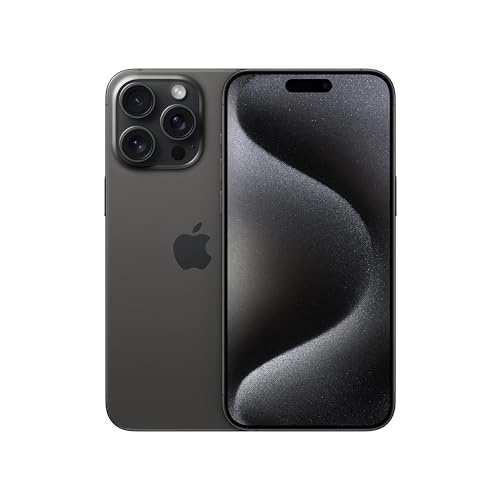
Take the Apple iPhone 15 Pro Max. Buying it on day one at full retail means parting with a massive sum of money. Purchasing a certified unit later yields the exact same titanium build, cameras, and processing speed while leaving hundreds of dollars in your pocket.
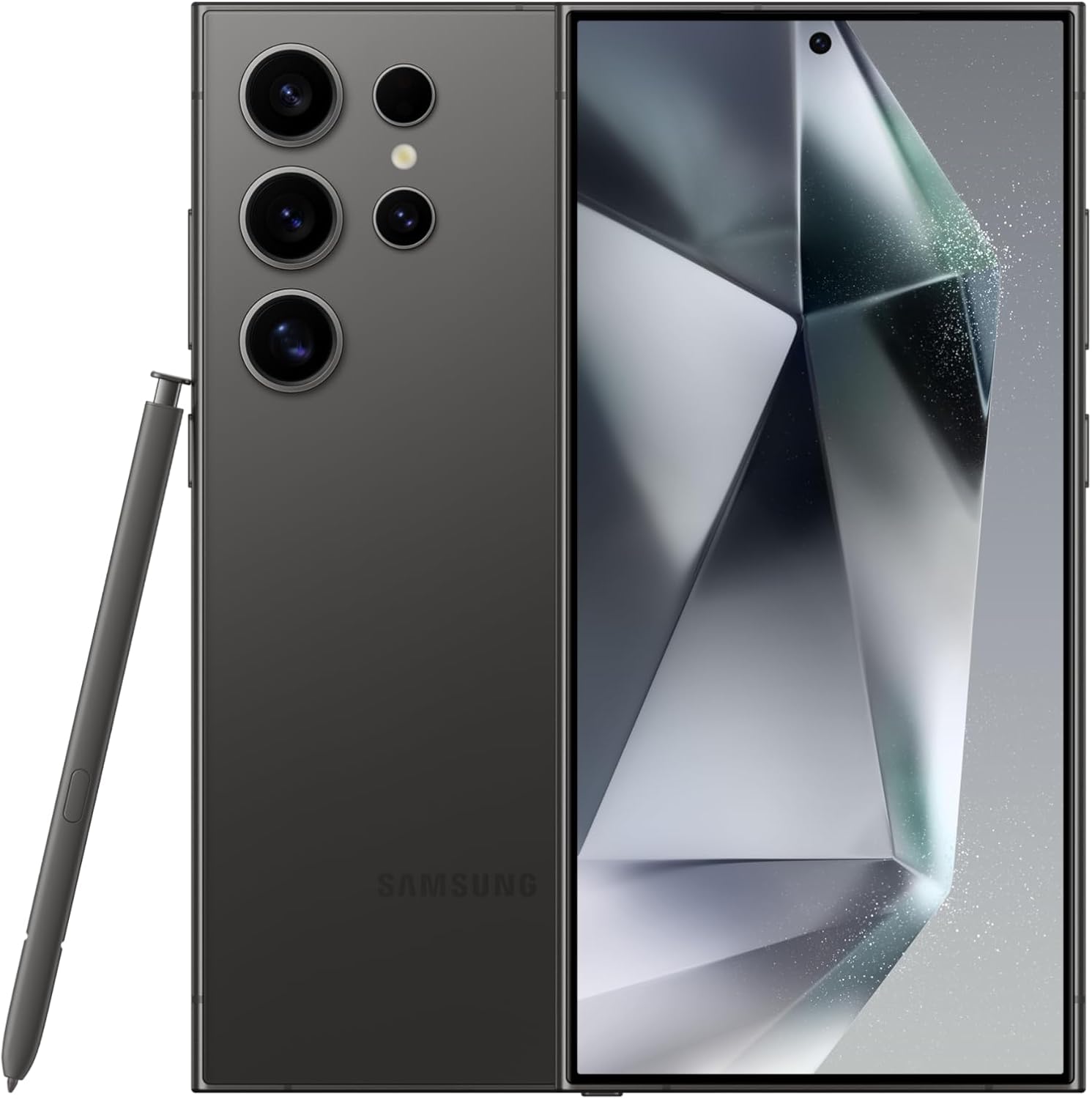
The same dynamic applies across ecosystems. The Samsung Galaxy S24 Ultra commands a steep launch price, but buying a certified model bypasses the steepest part of the depreciation curve entirely.
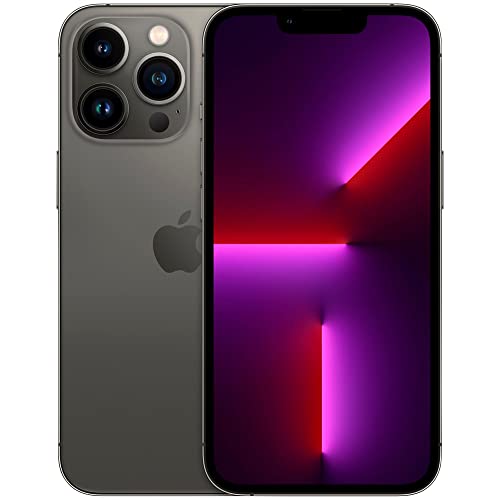
Even older favorites like the Apple iPhone 13 Pro demonstrate this longevity. Side by side with newer releases, day-to-day speed and camera output remain virtually indistinguishable for most tasks.
How to Buy Refurbished Without Getting Burned
Skepticism around pre-owned tech is fair. Rogue sellers online occasionally pawn off battered used phones as refurbished, cutting corners on testing and omitting accessories. Avoiding bad experiences requires sticking to proven channels.
Stick to official manufacturer storefronts, reputable refurbished specialists, or major retail renewal programs that offer transparent grading and clear return windows. If a seller refuses to offer a warranty or a trial period, walk away immediately. Confidence in hardware is always backed by a return policy.
Shedding the habit of buying brand-new gear changes your entire relationship with technology. Smart buyers do not spend the most money; they secure the best value.