Buying an iPhone brand new at launch has become an expensive habit. Apple's modern hardware improvements arrive in steady, incremental steps, yet launch price tags remain anchored well above eight hundred to twelve hundred dollars. For anyone willing to look at certified refurbished inventory, that slow pace of innovation works entirely in your favor.
The secondary market is flooded with pre-owned iPhones, but not every generation offers equal value. Some models sit squarely in a pricing sweet spot where depreciation has erased hundreds of dollars off day-one MSRP without compromising on modern iOS performance. Other older models look cheap on the surface, but their battery life, modem speeds, and software support horizons turn them into false economies.
To cut through the noise, we ranked tracked Apple devices into a comprehensive refurbished iPhone tier list based on current shaved prices, silicon longevity, display quality, and camera capability.
If you are exploring across brands as well, check out our companion guide on The Smartphone Depreciation Curve: Why Smart Buyers Wait.
The Refurbished iPhone Tier Rankings at a Glance
- S-Tier (The Sweet Spot): iPhone 15 Pro. Peak build, 120Hz ProMotion, A17 Pro silicon, USB-C connectivity, and severe price cuts vs original MSRP.
- A-Tier (Best Everyday Value): iPhone 14 Pro and iPhone 15. The Dynamic Island, 48MP main sensors, and dependable battery runtimes at roughly half their release price.
- B-Tier (The Sub-$300 Benchmark): iPhone 13. Solid dual-camera setup, A15 Bionic speed, and rock-solid battery efficiency. The definitive budget champion.
- C-Tier (Conditional Picks): iPhone 14, iPhone 12, and iPhone SE (3rd Gen). Viable only at steep discounts for light users, secondary work lines, or kids.
- D-Tier (Avoid in 2026): iPhone 11 and older. Dated LCD screens, lack of 5G connectivity, and looming iOS support sunsets make them bad buys today.
S-Tier: The Gold Standard in Refurbished Value
iPhone 15 Pro
The iPhone 15 Pro launched at a steep $999 baseline, but today's refurbished market has shaved off substantial markup. What makes this handset S-tier is its hardware future-proofing. It was the first device to bring the A17 Pro chip built on a 3-nanometer architecture, delivering hardware-accelerated ray tracing and enough memory bandwidth to run modern on-device computing smoothly for years.
Equally important is the physical shift: titanium rails that dropped noticeable weight compared to older stainless steel models, alongside universal USB-C charging that lets you ditch legacy Lightning cables for good. Combine that with a silky 120Hz ProMotion display and three versatile lenses, and you have flagship luxury at an upper mid-range price.
A-Tier: Premium Features for Everyday Shoppers
iPhone 14 Pro
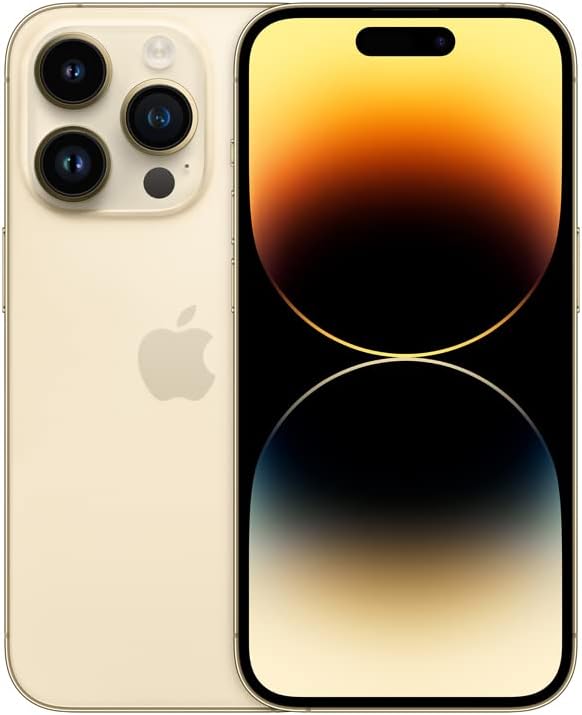
If you want the premium feel of Apple's Pro tier without paying for titanium or USB-C, the iPhone 14 Pro is an exceptional alternative. It introduced the Dynamic Island and Apple's 48-megapixel main camera sensor, which uses pixel binning to deliver noticeably crisper low-light shots than previous generations.
Its A16 Bionic processor remains blisteringly fast, and its stainless steel construction feels virtually indestructible. While it still uses the Lightning port, you can routinely pick up an excellent condition 128GB or 256GB unit for roughly half of its original $999 launch price.
iPhone 15 (Standard)
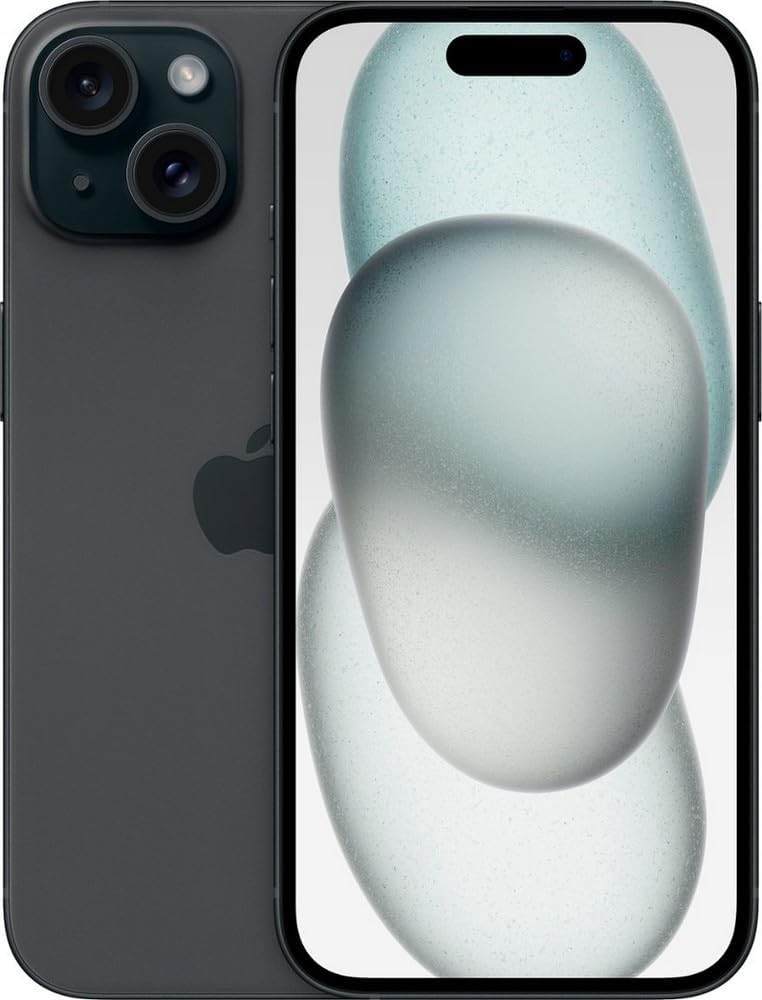
For shoppers who prefer a lighter, standard form factor, the standard iPhone 15 earned its A-tier placement by inheriting the best upgrades from the 14 Pro generation. You get the matte frosted back glass, the 48MP primary camera, the Dynamic Island cutout, and native USB-C charging.
You miss out on the 120Hz refresh rate, but for users upgrading from an iPhone 11 or iPhone 12, the difference in screen brightness, camera clarity, and daily fluidity is immediately noticeable.
B-Tier: The Ultimate Sub-$300 Sweet Spot
iPhone 13
If your budget is firmly capped under three hundred dollars, the iPhone 13 is the single smartest purchase on the secondary market. When Apple released the 13, they introduced a significantly larger physical battery and sensor-shift optical image stabilization across the entire lineup.
Powered by the A15 Bionic, the iPhone 13 handles everyday multitasking, 4K video recording, and web browsing with zero stutter. It supports 5G networks, retains MagSafe charging compatibility, and has several years of guaranteed iOS security updates ahead. Unless you specifically demand telephoto zoom or a 120Hz display, the iPhone 13 provides 85% of the flagship experience for a fraction of the cost.
Head-to-Head Comparison: Pro vs Standard vs Budget
Weighing the trade-offs between generations becomes much simpler when you look at current market pricing side by side:
C-Tier: Conditional and Secondary Devices
iPhone 14
The standard iPhone 14 occupies an awkward spot in Apple's historical lineup. It reused the iPhone 13's A15 chip and retained the traditional display notch and Lightning port. Because the iPhone 13 delivers virtually identical daily performance for less money, and the iPhone 15 offers a vastly superior 48MP camera and USB-C port, the iPhone 14 is only worth considering if you spot a flash deal priced within twenty dollars of an iPhone 13.
iPhone 12 & iPhone SE (3rd Gen)
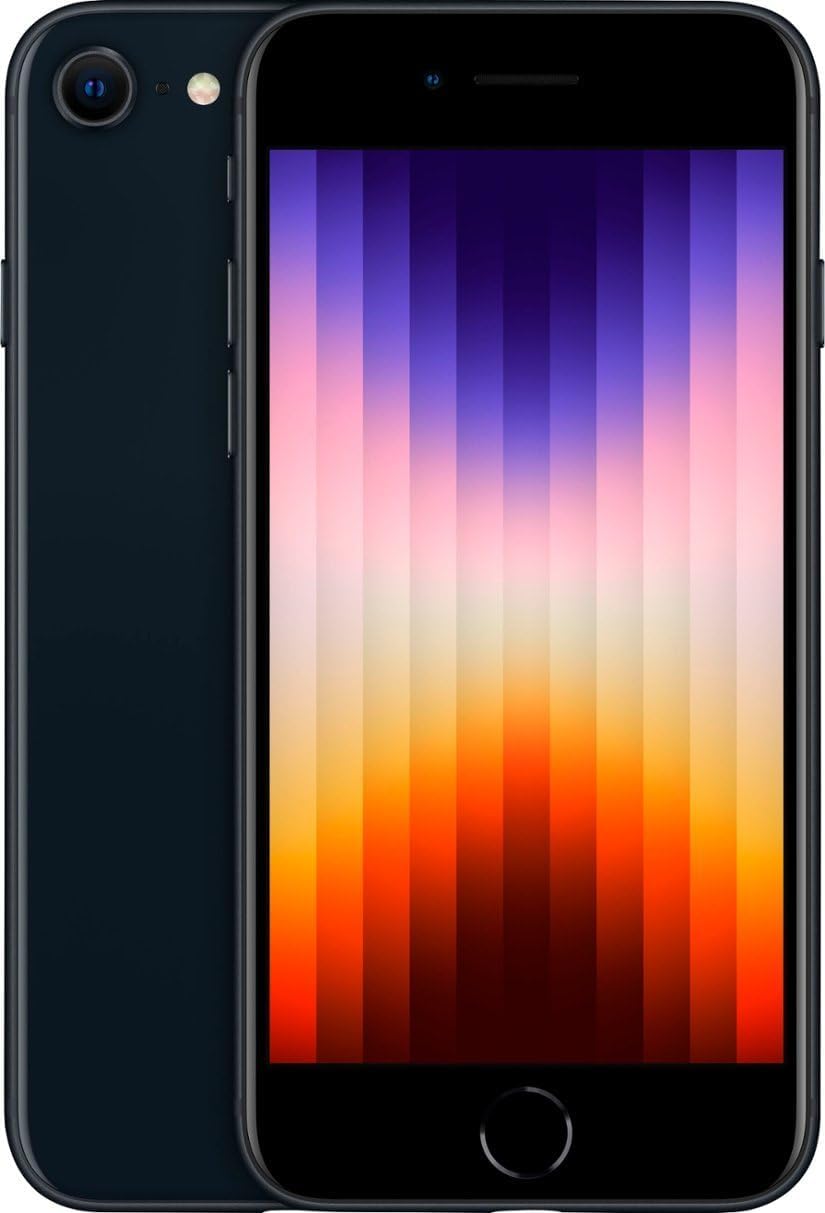
The iPhone 12 brought OLED screens and 5G to the mainstream base tier, but its smaller battery pack means heavier users will struggle to make it through a full work day without topping up. Meanwhile, the iPhone SE (3rd Gen) packs the powerful A15 chip into an antiquated home-button shell with a tiny 4.7-inch LCD panel.
Both devices serve well as starter phones for teenagers or reliable secondary work lines, but they should only be bought when shaved prices sit well under two hundred dollars.
D-Tier: Why You Should Skip iPhone 11 and Older
It is tempting to look at an iPhone 11 or iPhone XR listed for around one hundred dollars and think you found a bargain. In reality, these models represent bad value for money:
- Expiring Software Life: Apple regularly retires older chips from major iOS updates. Older handsets will soon stop receiving new features and essential security patches.
- Display Downgrades: The iPhone 11 uses a 720p-class LCD panel with thick bezels. Once you experience modern OLED contrast, returning to dated LCD panels is jarring.
- Missing 5G Radios: Older modems are restricted to 4G LTE bands, which suffer from congestion in busy metropolitan corridors.
- Battery Degradation: Used units that have been in circulation for five to seven years often suffer from tired charging circuits, even when fitted with aftermarket replacement cells.
Finding Your Ideal Refurbished iPhone
Still trying to decide which model fits your budget and daily routine best? Use our interactive finder to filter by screen size, condition, and price:
Before checking out, remember to review condition guidelines in our breakdown of Demystifying Amazon Renewed: What to Expect Before You Buy to make sure you get the exact condition grade you pay for.