Why Older Samsung Flagships Remain the Smartest Buy
Buying a brand-new smartphone straight from the carrier store usually means swallowing a steep launch price that depreciates the moment you unbox the device. Samsung’s flagship lines suffer some of the fastest initial drops in value, which turns out to be great news for anyone shopping on the secondhand market. Instead of paying top dollar for current-year hardware, picking up a slightly older Galaxy S or Ultra model gives you premium materials, high-refresh-rate OLED panels, and multi-lens camera systems at a fraction of their original MSRP.
The exact same hardware, minus the launch markup.
Yet not all old flagships age gracefully. Some generations hit a sweet spot of price and performance, while others come with hidden catches involving software lifespans or thermal throttles.
The Sweet Spot: Galaxy S23 Series Value
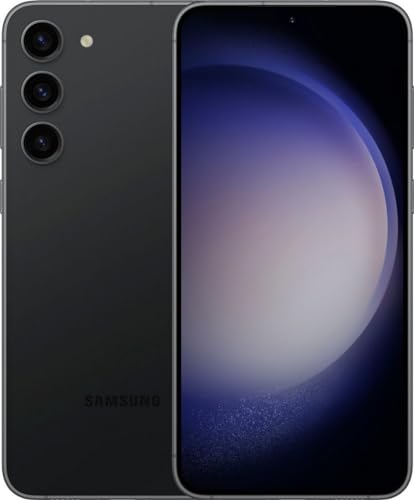
For most buyers looking at used Samsung devices, the Galaxy S23 lineup stands out as the most sensible target. This generation solved many of the efficiency complaints plaguing older chips by shifting entirely to more optimized silicon, resulting in solid battery life and sustained performance that rivals newer releases.
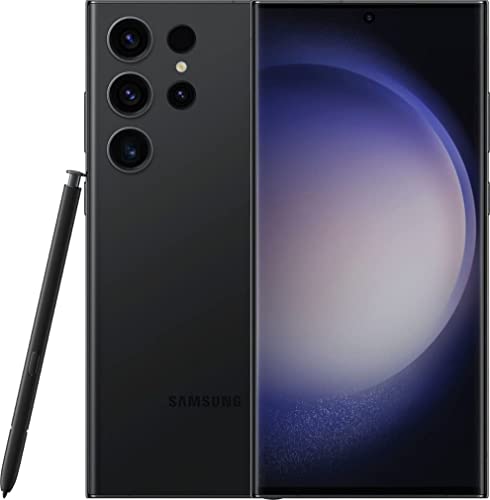
Whether you opt for the compact base model, the larger Samsung Galaxy S23+, or the top-tier Galaxy S23 Ultra, secondhand prices have dropped significantly below their launch figures.
The standard Galaxy S23 handles daily multitasking, mobile gaming, and photography without breaking a sweat. Because it launched at a high baseline price, buying it refurbished lets you bypass the steep initial depreciation curve entirely.
The Longevity Play: Moving Up to Galaxy S24
If you plan to hold onto your next phone for four or five years, stretching your budget toward the Galaxy S24 generation makes a lot of sense. These models cost a bit more on the used market than their S23 predecessors, but they buy you something critical: time.
Samsung’s extended software support policy means a newer generation stays updated with security patches and major OS upgrades significantly longer.
Choosing between these two generations comes down to a simple calculation. The S23 saves you more cash today, while the S24 pushes your next upgrade cycle further into the future.
The Budget Trap: Why the S22 Ultra Requires Caution
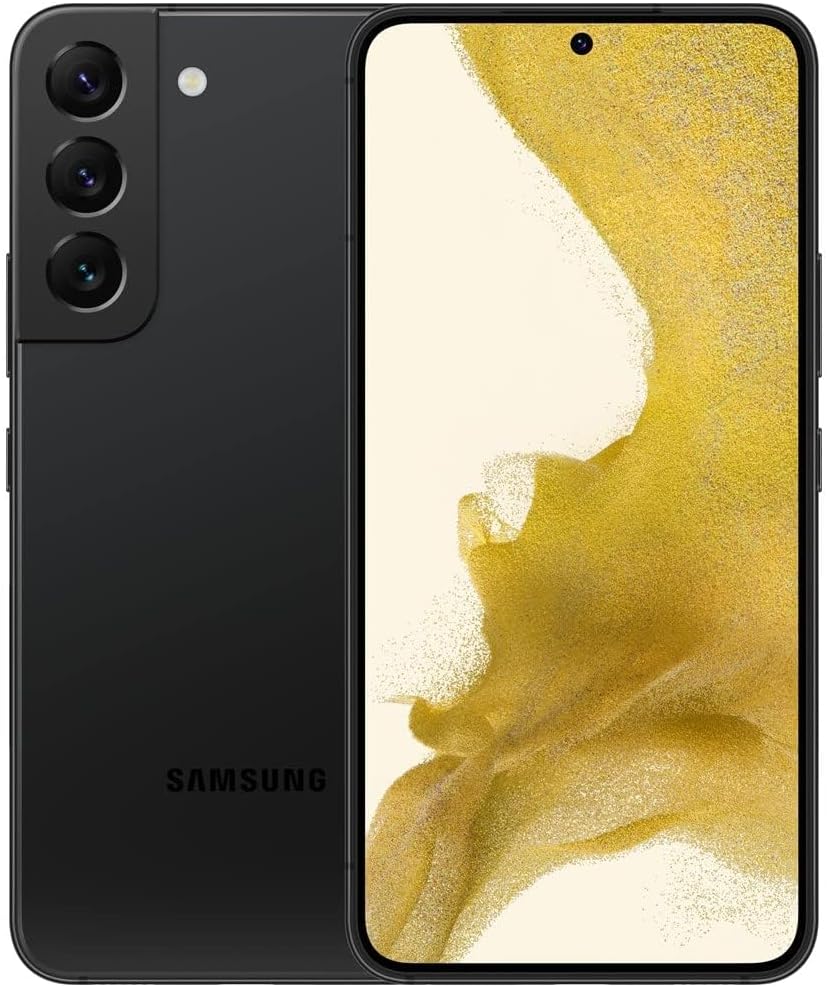
When browsing extreme bargain listings, you will inevitably run across heavily discounted deals on the Samsung Galaxy S22 Ultra. On paper, getting an integrated S Pen, a massive screen, and a quad-camera array for rock-bottom prices sounds tempting.
Approach with caution. That generation of hardware gained a reputation for running hot under sustained loads, leading to thermal throttling and mediocre battery endurance as the battery ages. Furthermore, its software support window is winding down much faster than the S23 or S24 families. If you need a reliable daily driver that will not stutter during navigation or outdoor use, saving up a little extra for an S23 Ultra avoids these compromises entirely.
Verdict: Which Used Galaxy to Pick
Navigating the used Samsung market requires balancing your upfront budget against how long you intend to keep the device. If you want maximum savings without sacrificing day-to-day speed, the S23 series remains unmatched. If software longevity is your primary concern, look toward the S24 lineup.