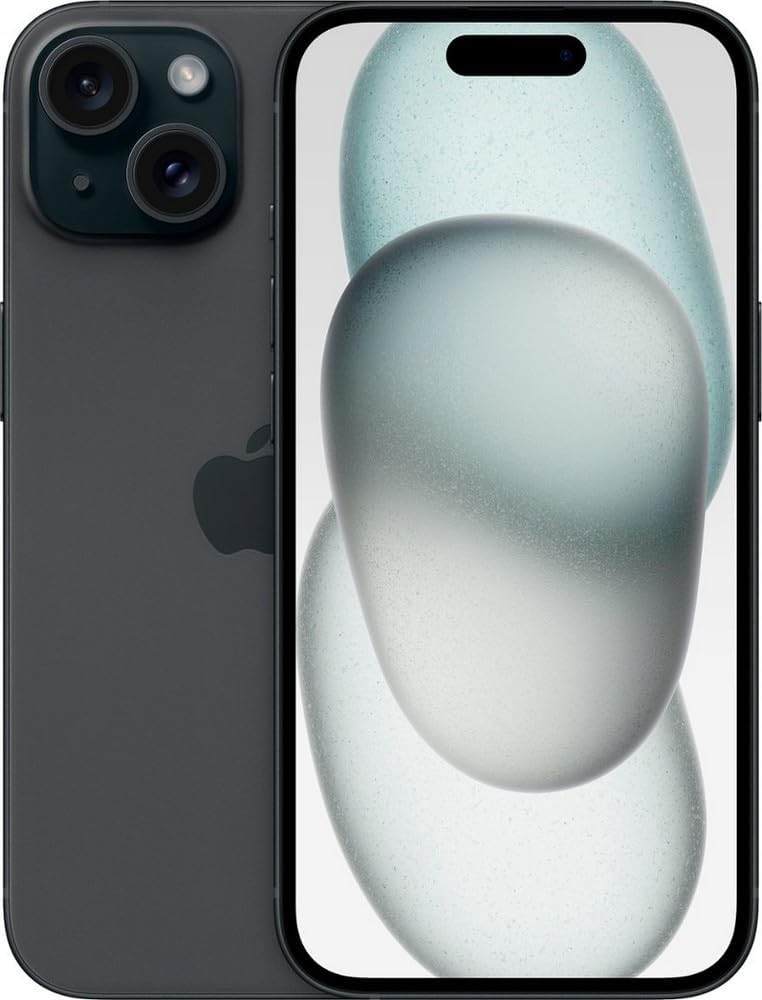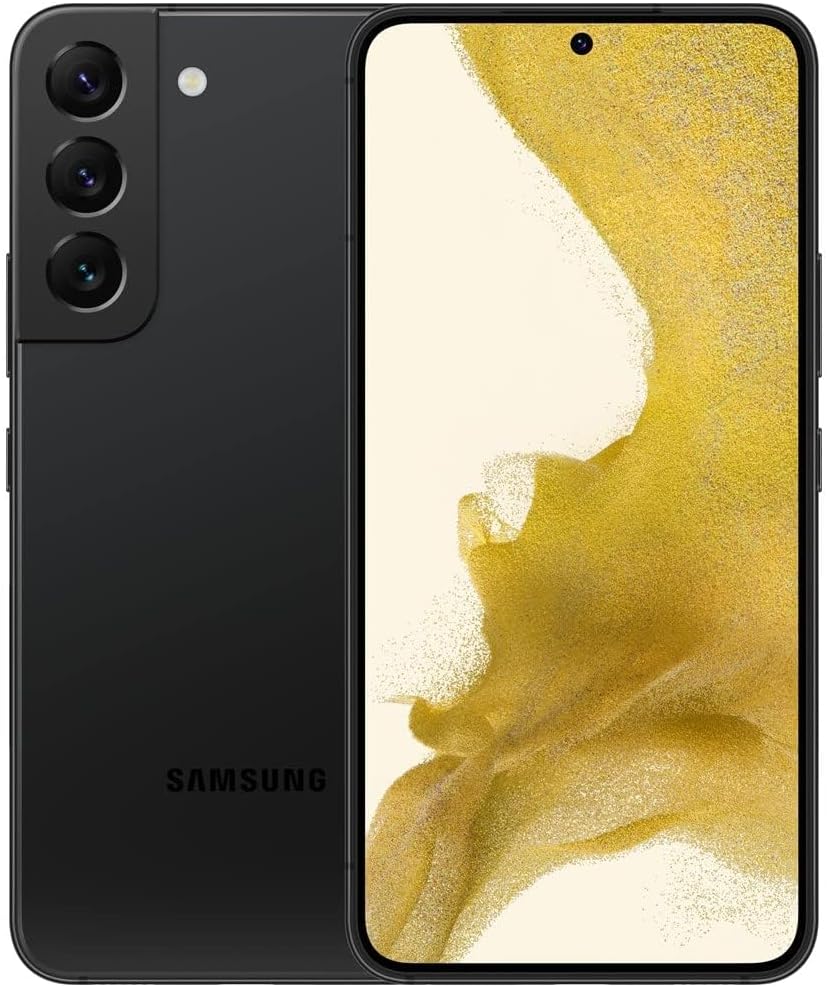
When shopping for a smartphone with a budget between $250 and $400, buyers usually hit an immediate fork in the road. On one side are brand-new budget handsets and affordable imported devices from brands like Oppo, Xiaomi, or Motorola. On the other side sits a certified refurbished former flagship from Apple or Samsung, such as an iPhone 13 or Galaxy S23, that originally sold for seven to eight hundred dollars.
The new budget phone can seem tempting on paper. The box is shrink-wrapped, the battery has zero charge cycles, and marketing materials brag about 50-megapixel sensors and huge battery capacities.
In everyday practice, buying a cheap new phone over a renewed premium flagship is almost always a mistake. Here is an honest breakdown of where budget hardware cuts corners, and why choosing a renewed Apple or Samsung device delivers a far superior ownership experience.
1. Flagship Silicon vs Budget Processors
A processor is not just about how fast an app opens; it controls image signal processing, wireless modem stability, and how smoothly the phone runs two years from now.
Budget phones and cheap entry-level imports frequently rely on lower-tier MediaTek Helio, Dimensity, or Qualcomm Snapdragon 4-series or 6-series chips. Manufacturers tune these processors to pass quick showroom taps, but they struggle when juggling background tasks, navigation, and photo processing simultaneously. App launches take a second longer, frame rates stutter when scrolling social feeds, and casual gaming pushes the silicon into thermal throttling.
In contrast, a two-year-old flagship chip like Apple's A15 Bionic or Qualcomm's Snapdragon 8 Gen 2 was engineered without compromise for top-tier performance. Even years after launch, these processors run rings around entry-level silicon in single-core speeds, GPU rendering, and neural processing:
2. Real Camera Optics vs Marketing Megapixels
Budget smartphone marketing leans heavily on inflated numbers. You will frequently see cheap new phones advertise a "50MP Triple Camera" system. When you look closer, that setup usually consists of:
- One mediocre 50MP sensor with cheap plastic lens elements and no Optical Image Stabilization (OIS).
- A 2MP "macro" sensor with terrible resolution that exists solely to inflate the lens count.
- A 2MP "depth sensor" that does virtually nothing your phone software could not handle on its own.
Without OIS, indoor photos come out blurry, low-light night shots turn into mushy noise, and recorded videos look like shaky handheld home movies.
Flagships from Apple and Samsung approach photography with genuine optical engineering. Even a refurbished iPhone 13 features large physical sensors, sensor-shift optical image stabilization, high-grade glass lenses, and sophisticated Image Signal Processors (ISPs) that capture natural skin tones, balanced dynamic range, and cinema-grade 4K video.
3. Materials, Ingress Protection, and Haptics
Pick up a sub-$300 budget phone and you immediately feel where money was saved. The frame and back plate are made of lightweight polycarbonate plastic that scratches easily and creaks under pressure. More importantly, most budget phones skip certified water resistance ratings to avoid licensing and manufacturing costs. Drop a budget phone in the sink or get caught in a downpour, and internal moisture damage can ruin it instantly.
Premium flagships are engineered with aerospace aluminum or surgical stainless steel, scratch-resistant Ceramic Shield or Gorilla Glass Victus, and full IP68 water and dust resistance. An IP68-rated flagship can survive submersion in up to 1.5 meters of fresh water for thirty minutes. When buying refurbished, that industrial build quality means the structural integrity of the phone remains rock-solid for years to come.
4. Software Support, Bloatware, and Resale Floors
When you purchase an entry-level handset or imported model, ongoing software support is often an afterthought. Many budget devices launch with an older Android build, receive one token OS update, and get slow, irregular security patches before being abandoned entirely. Worse, several low-cost brands offset their cheap hardware margins by pre-installing sponsor bloatware, adware games, and third-party utility stores that spam notifications.
Apple and Samsung provide the industry gold standard for ongoing software support:
- Apple: Delivers 5 to 7 years of direct iOS updates simultaneously to every supported device worldwide.
- Samsung: Commits to 4 to 7 years of major One UI Android upgrades and regular security patches across its Galaxy S-series flagships.
There is also the financial reality of resale value. If you buy a $300 budget phone, its secondary market resale value drops to near zero within eighteen months. A refurbished iPhone or Galaxy S-series device holds a recognizable floor, allowing you to trade it in or resell it down the line to fund your next upgrade.
Head-to-Head: Compare Flagship Value
Compare two of the most popular compact renewed flagships that frequently retail right around the three hundred dollar mark:
How to Buy Refurbished with Total Confidence
Buying refurbished does not mean taking unnecessary risks. By sticking to reputable marketplaces like Amazon Renewed, you gain clear consumer protections:
- Look for Certified Grading: Stick to Excellent or Very Good grades to ensure screens are free of visible scratches and chassis wear is negligible.
- Verify Battery Standards: Quality refurbishers guarantee a minimum of 80% to 90% original battery capacity.
- Take Advantage of the Return Window: Amazon Renewed includes a 90-day return or replacement window, while Renewed Premium extends that coverage to a full 365 days.
To read more about navigating grading criteria and warranty protection, review our detailed guide on Demystifying Amazon Renewed: What to Expect Before You Buy.
Ready to Find Your Next Flagship?
Skip the compromises of flimsy plastic phones and underpowered chipsets. Use our guided quiz to match with a proven, certified refurbished flagship that fits your exact budget: