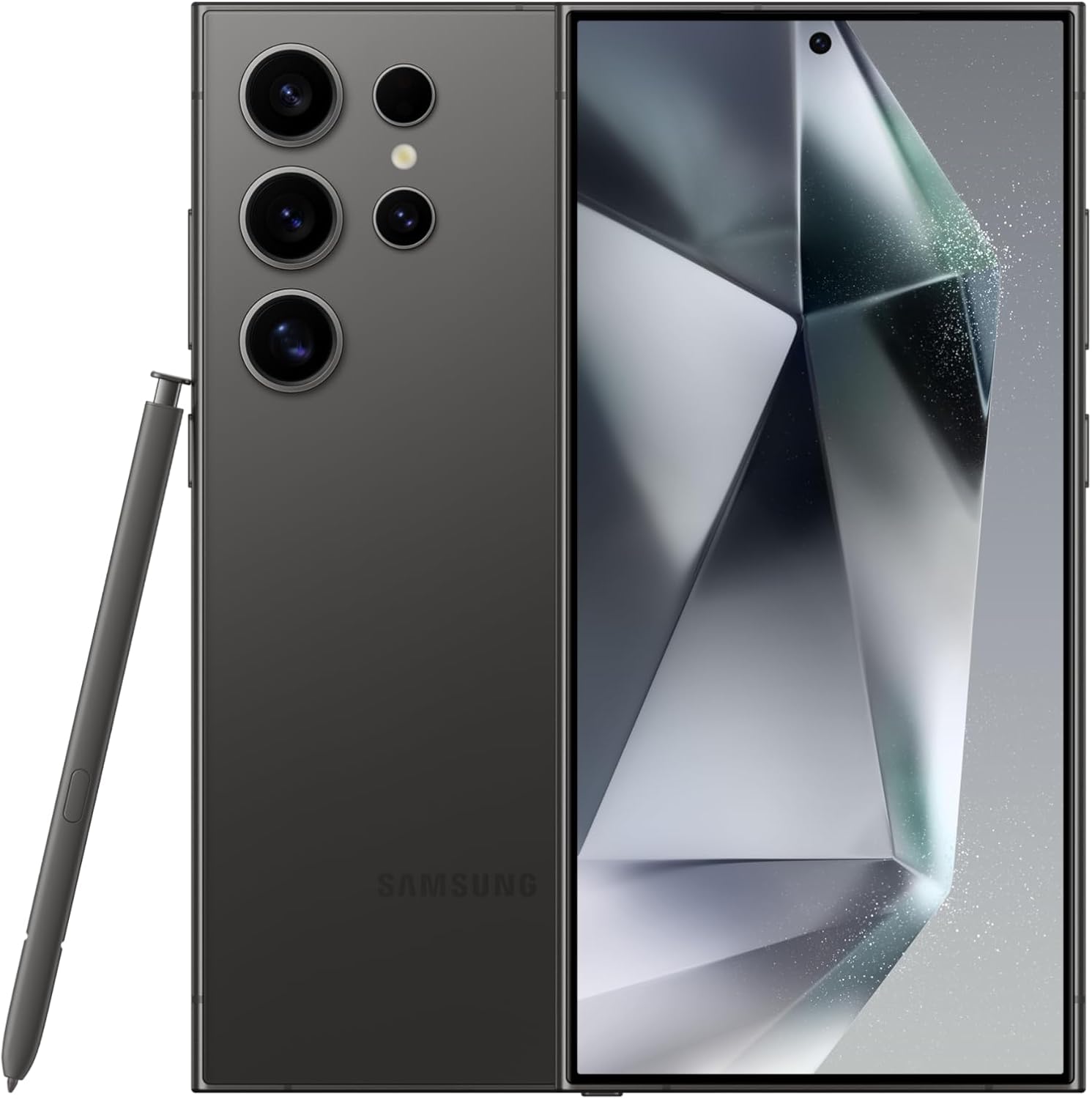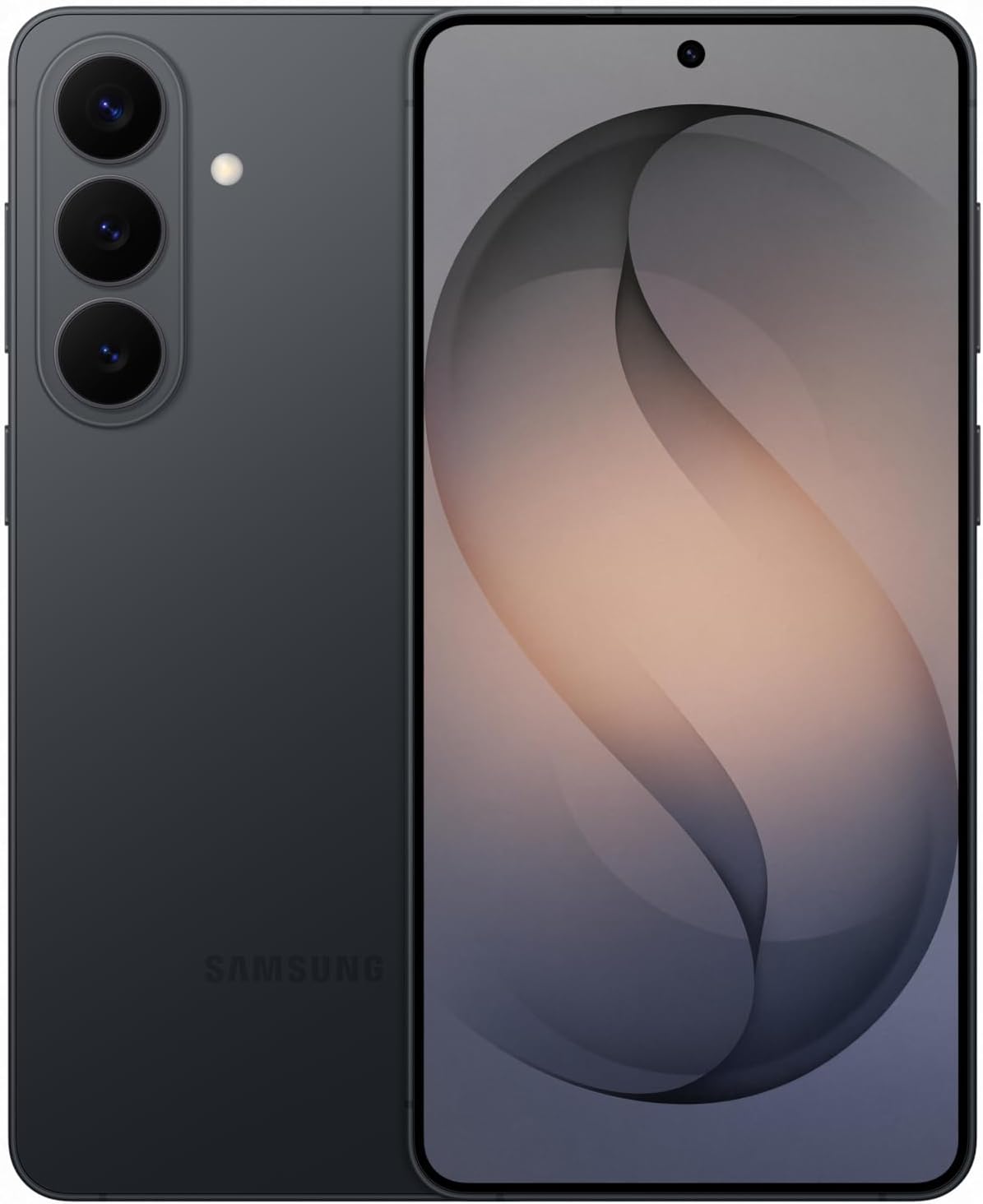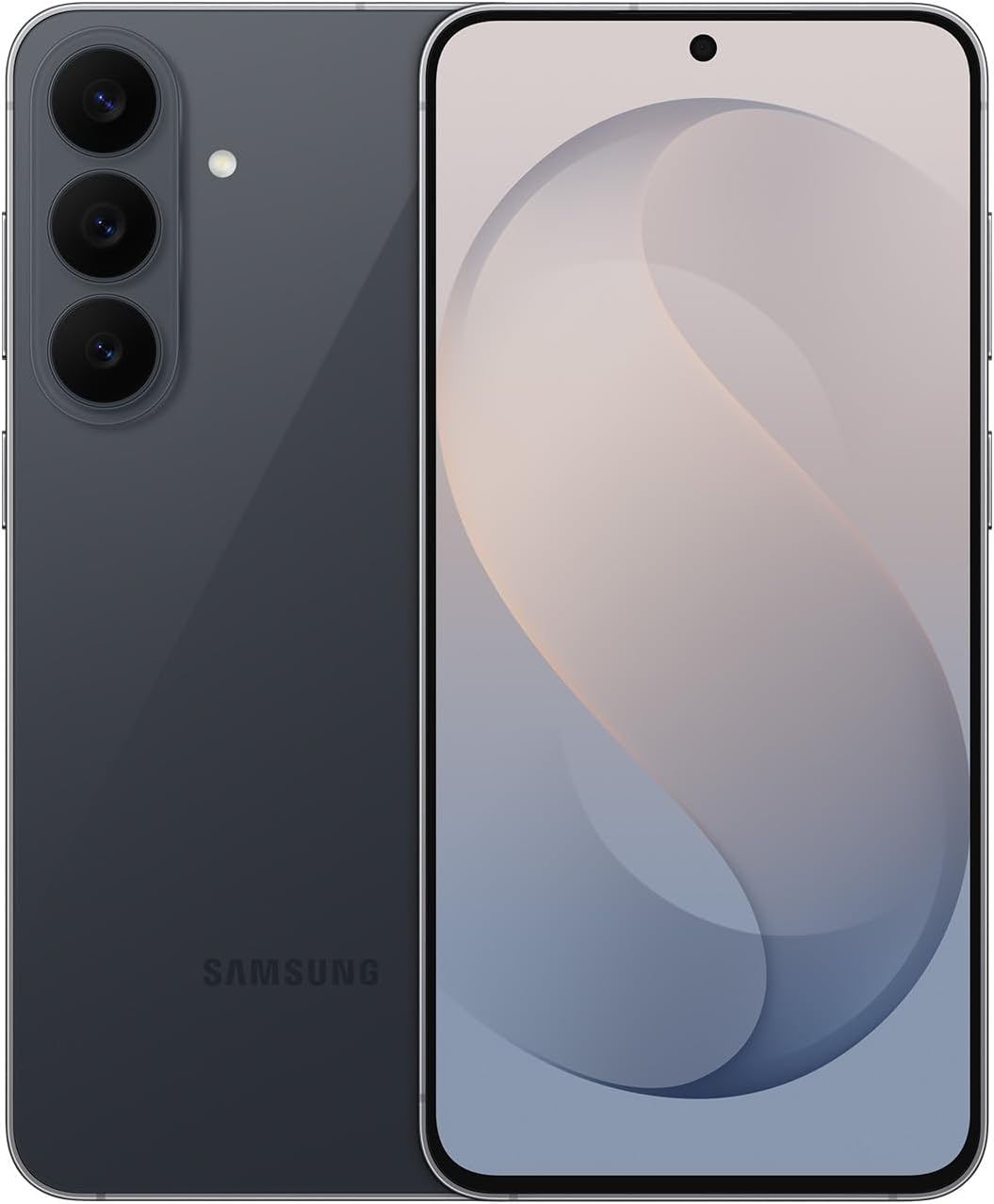
The Galaxy S24 Ultra sits in a strange spot in the smartphone lifecycle. It is a couple of years old, and newer flagships from Samsung are sitting right beside it on store shelves. But pick one up today, and it manages to pull off a neat trick: it does not feel old at all.
When you look at what these phones cost at launch compared to what they command now on the refurbished market, the math starts to get very uncomfortable for phone makers. Better hardware updates arrive every year, but they rarely justify doubling your spend. The Galaxy S24 Ultra accidentally proves that flagship hardware has plateaued, offering roughly 90 percent of the ultra experience at a fraction of its original price tag.
The Design That Refuses to Age
Samsung's newer Ultra models have drifted away from what made the line iconic. While the Galaxy S25 Ultra and subsequent iterations lean into rounded corners and aluminum frames to shave off weight and cut manufacturing costs, they end up looking remarkably generic. They blur into the background, resembling just another large handset or an oversized mid-ranger.
The Galaxy S24 Ultra retained a titanium frame matched with sharp, squared-off corners that carry the DNA of the old Galaxy Note series. The frosted matte finish on the back glass and the way the camera rings catch the light still scream luxury. Yes, it is heavier and thicker than the newer generation, but if you are shopping for an Ultra-tier phone, you already accepted that you are carrying a massive device. The older design has character, while newer alternatives chase a practical anonymity.
Display Quality: When Newer Isn't Better
Display technology is supposed to march forward unconditionally, but the Galaxy S24 Ultra highlights a curious regression in recent releases.
The screen on the Galaxy S24 Ultra features Samsung's signature anti-reflective coating that makes daytime outdoor viewing exceptional. Curiously, newer iterations have struggled to replicate that clean finish, sometimes introducing subtle text fuzziness even at native resolution. Combine that with comparable peak brightness across generations, and you realize you aren't missing out on visual fidelity.
While newer models introduce hardware tricks like privacy displays for crowded train commutes, you have to weigh whether a niche software-driven privacy filter is worth a display that occasionally looks less crisp than what came before it.
Cameras, Speed, and the Seven-Year Lifespan
Camera progression over the last two years follows a predictable pattern of minor aperture tweaks and upgraded codecs. While low-light performance on newer sensors takes a slight step forward, the core quad-camera layout—main, ultrawide, 3x telephoto, and 5x periscope—remains fundamentally the same. Unless you rely heavily on specialized stabilization features like horizon lock, the everyday output between generations is practically neck-and-neck.
Performance tells a similar story. The processor in the Galaxy S24 Ultra is stupidly fast. Synthetic benchmarks put newer chips ahead, but in day-to-day use, opening apps, scrolling, and multitasking show zero stutter.
The real secret to the phone's longevity is not raw silicon, but software support. Samsung committed to seven years of major OS updates starting with this generation, carrying support all the way through Android 21. Combined with free basic Galaxy AI features that let you handle photo editing and summaries without locking into a monthly subscription, the software ecosystem feels remarkably future-proof.
Battery Realities and the Verdict on Upgrading
Battery capacity is the one area where physics catches up. Packing a standard 5,000 mAh cell means that after a couple of years of charge cycles, battery endurance will trail behind brand-new competitors boasting larger physical capacity or hyper-efficient chips. It is not a dead battery by any stretch, but heavy users might find themselves reaching for a top-off earlier in the evening compared to newer flagships.
Even so, the financial gap makes up for the minor compromises. When you calculate the cost of buying a Galaxy S24 Ultra on the refurbished market, you are often paying less than half of what a brand-new release demands. You miss out on a lighter chassis, slightly faster charging, and minor camera refinements. But you keep the iconic boxy titanium aesthetic, the brilliant anti-reflective display, and built-in S Pen functionality that newer generations keep stripping away.