The Cost of Day One: Understanding Launch MSRP
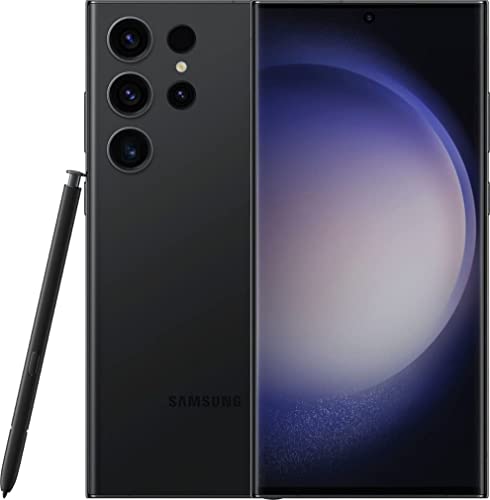
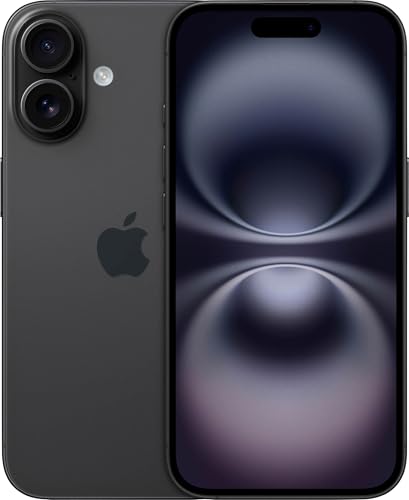
Walking into a carrier store on release morning or clicking buy on a manufacturer website means paying the absolute peak price for a pocket computer. That sticker value, known as the launch MSRP, bakes in extensive marketing budgets, early adoption premiums, and the psychological cost of having the newest thing on day one. For heavy hitters like the iPhone 15 Pro at $999.00 or the Galaxy S23 Ultra at $1199.00, day-one buyers absorb the steepest part of the device lifecycle.
Understanding how smartphone depreciation works reveals that this initial pricing is entirely artificial. Hardware loses value on a predictable curve once units leave factory boxes and enter the wild. By studying how these values erode, shoppers can bypass the launch markup entirely and secure identical performance for hundreds less. For a broader look at smart purchasing timelines, consult our guide on Timing Your Next Phone Purchase: Why Last-Gen Flagships Win.
Phase One: The Steep Six-Month Drop
The first six months of a flagship phone's life represent a financial cliff. The moment a handset is unboxed and registered to a user, its resale value drops by roughly twenty to thirty percent. Early trade-in promotions, carrier subsidies, and the simple reality that used inventory is beginning to accumulate on secondary markets all apply downward pressure on retail value.
During this initial window, early adopters often realize they paid top dollar for minor iterative upgrades over the previous generation. As carrier deals saturate the market, independent sellers and trade-in programs flood platforms with lightly used units. The excitement of the initial launch fades, and reality sets in.
Phase Two: Stabilization at the One-Year Mark
Around the twelve-month mark, the depreciation curve flattens significantly. This is the sweet spot for value-conscious buyers. The successor to the handset is either just around the corner or has recently been announced, shifting industry attention away from last year's model.
At this stage, certified refurbished platforms like Amazon Renewed receive a steady influx of trade-ins from corporate fleets and disciplined consumers who upgrade annually. The hardware itself remains fully modern, featuring top-tier processors, high-refresh-rate displays, and capable camera suites, but the price tag has settled into a rational zone.
Phase Three: The Long Tail of Diminishing Returns
After eighteen to twenty-four months, flagship prices enter a long, slow tail of depreciation. The rate of price drops slows to a crawl. A phone that lost four hundred dollars in its first year might only shed another fifty dollars over the subsequent twelve months.
Buyers shopping in this phase must weigh hardware savings against remaining software support lifespans. While the upfront cost is remarkably low, the remaining window of security patches and major operating system updates grows shorter with each passing month.
How to Time Your Next Flagship Upgrade
Avoiding launch markup does not require sacrificing quality. By targeting the twelve-to-eighteen-month window on Amazon Renewed, shoppers capture high-end materials, premium cameras, and robust processors without paying for the initial hype cycle.
For further reading on navigating specific ecosystems, take a look at our Buying Refurbished Flagship Phones: Amazon Renewed Guide.