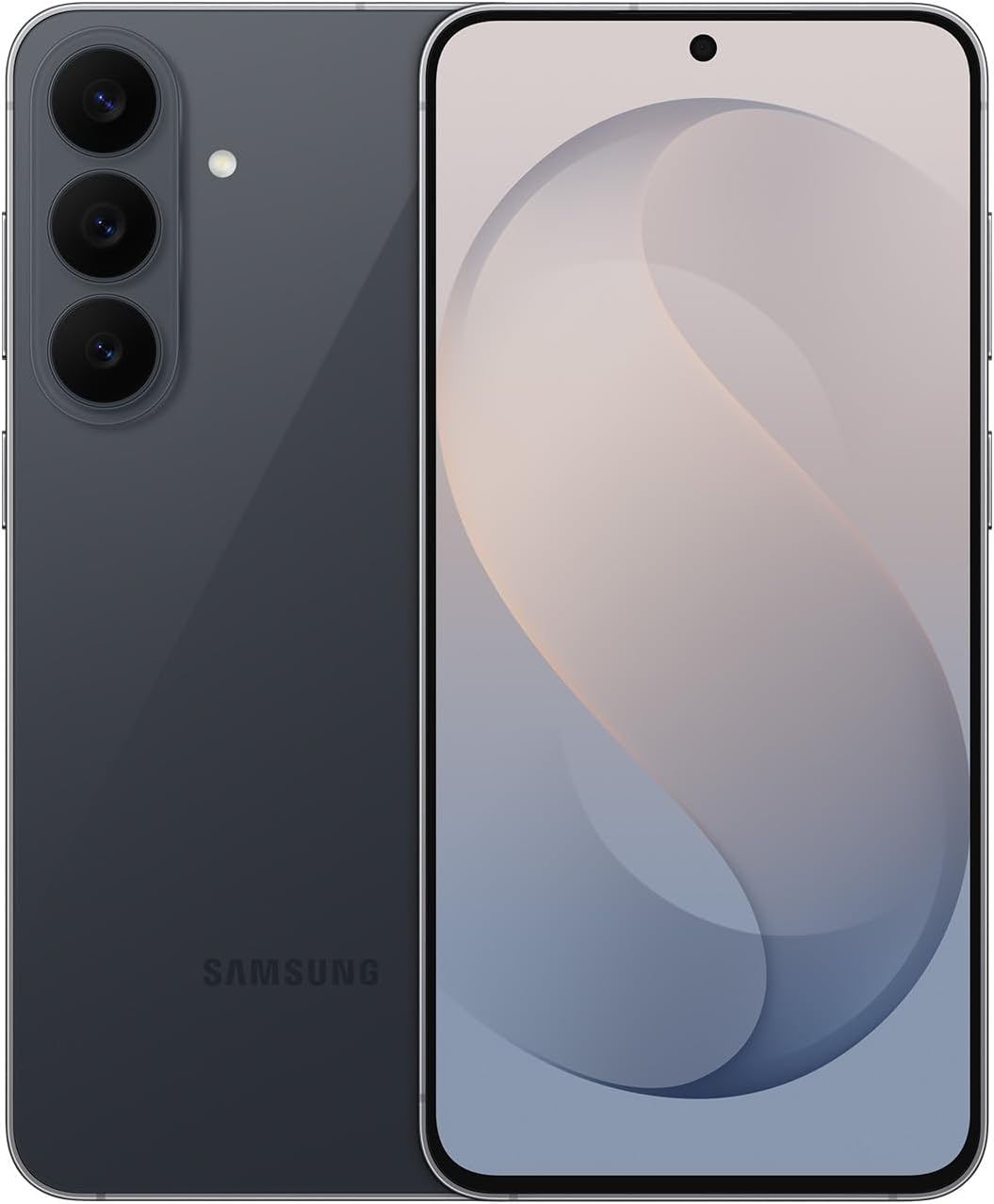
Buying a smartphone at launch means paying the highest possible price for hardware that starts losing value the moment you open the box. Major manufacturers refresh their flagship lineups every twelve months, which triggers a predictable wave of trade-ins and liquidations. For the strategic buyer, this cycle is an opportunity to secure premium devices at a fraction of their original cost.
Why First-Year Depreciation is a Buyer's Best Friend
The steepest drop in a phone value happens during its first twelve months on the market. When a brand-new model arrives with an MSRP of eight hundred to a thousand dollars, early adopters absorb that initial financial hit. Once the next generation hits store shelves, wholesale inventories swell, and last year's top-tier devices migrate to the refurbished market.
At this stage, the hardware is far from outdated. Processors from the previous year remain remarkably fast, camera sensors capture professional-grade stills, and software support windows usually still have four to five years remaining. By stepping back just one generation, you bypass the launch markup entirely and let someone else pay for the initial depreciation.
The Sweet Spot: Why Last-Gen Flagships Beat Brand New Mid-Ranges
When shoppers have a budget of four to six hundred dollars, they often gravitate toward brand-new mid-range phones. On paper, these devices look appealing with high-megapixel cameras and large batteries. Under the hood, however, they usually compromise on critical components like build materials, haptic feedback, secondary camera lenses, and long-term processor efficiency.
A last-generation flagship offers a fundamentally better user experience for the same money. You get aerospace-grade aluminum or titanium frames, wireless charging, IP68 water resistance, and superior primary camera optics that budget hardware simply cannot match. If you are weighing your options against newer entry-level devices or trying to figure out which operating system tier fits your budget, you can use our interactive Deal Finder to sort through specs and price points.
Top Last-Gen Picks on Amazon Renewed Right Now
Finding the right device comes down to matching your ecosystem preference with realistic market discounts. Models like the Galaxy S23 launched at a standard $799 MSRP, but can now be found on Amazon Renewed with significant savings that drop the hardware cost into mid-range territory without sacrificing performance.
Similarly, Apple buyers looking at the iPhone 14 face the same dynamic. Debuting at a $799 launch price, the device now represents exceptional value on the secondary market compared to buying a current-generation base model at full retail.
What to Verify Before Clicking Buy
Shopping for refurbished or renewed flagships requires a bit of diligence to ensure you get a reliable unit. Before completing a purchase, check the seller rating and confirm the condition grade. Excellent condition grades typically mean zero visible screen scratches and a battery health percentage sitting at eighty percent or higher.
It is also smart to verify carrier compatibility, especially if you plan to purchase an unlocked model to use on smaller MVNO networks. Checking these details upfront ensures your discounted flagship arrives ready to activate without unexpected carrier lock hurdles.
To see how these models stack up against current offerings and browse live price drops across our entire inventory, head over to our main comparison page to find the exact hardware you want minus the launch markup.