Buying a brand-new flagship phone at launch requires paying a steep premium for the privilege of opening the box first. For most shoppers, that initial excitement wears off the moment a new generation drops twelve months later. Choosing a refurbished or Amazon Renewed device delivers the exact same hardware, minus the launch markup. But navigating secondary market listings can feel like decoding a foreign language if you do not know how condition grades and inventory tiers work.
Decoding Condition Grades: Amazon Renewed vs. Renewed Premium
Shopping for a refurbished phone usually starts with deciphering tiered condition labels. Platforms like Amazon Renewed split their inventory into standard Renewed and Renewed Premium, and understanding the gap between them prevents unpleasant surprises upon delivery.
Standard Amazon Renewed devices are inspected, tested, and cleaned to work like new. Cosmetically, they may show signs of wear, such as minor scratches or scuffs that are typically invisible at arm's length or once a case is installed. Screen visibility should be unobstructed when the display is powered on.
Renewed Premium units sit a tier higher. These devices feature zero visible cosmetic damage when held twelve inches away from your face. They also come with stricter battery thresholds and certified replacement components.
Why Former Thousand-Dollar Flagships Hit the Sweet Spot of Depreciation
Phones depreciate faster than almost any other consumer electronics category. Premium devices face the steepest initial drops because carriers and manufacturers heavily subsidize new releases or push upgrade cycles that flood the secondary market within eighteen months.
When a handset launches at four figures, you are paying for manufacturing novelty, marketing overhead, and early adopter tax. Once those phones age past their first major software update cycle, their street price plummets while their processing power, camera capabilities, and build quality remain remarkably capable.
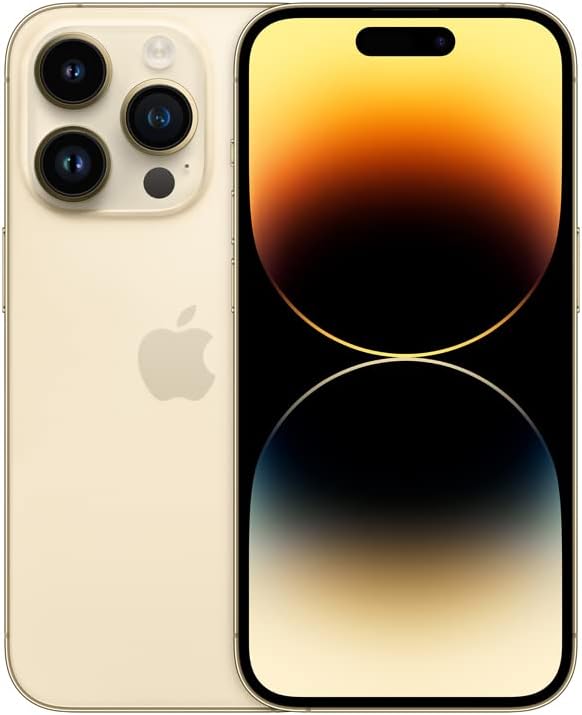
For instance, looking at options like the Apple iPhone 14 Pro, which debuted at a $999 MSRP, the current refurbished market offers massive savings without any meaningful drop in daily speed or camera versatility.
If you want to understand how timing affects these purchases, read our guide on timing your next phone purchase and why last-gen flagships win.
The Storage Trap: Why Upgrading Tiers Costs Pennies on the Refurbished Market
When configuring a brand-new phone directly from a manufacturer, stepping up from base storage to a higher tier is notoriously expensive. Apple and Samsung routinely charge an extra hundred dollars or more just to jump from 128GB to 256GB, treating internal flash memory as a luxury profit center.
The secondary market flips this dynamic entirely. On refurbished listings, the price gap between base storage and double or quadruple that capacity often shrinks to twenty or thirty dollars. Because most sellers price devices based primarily on cosmetic condition rather than storage size, higher-capacity variants sit in inventory at nearly identical price points to base models.
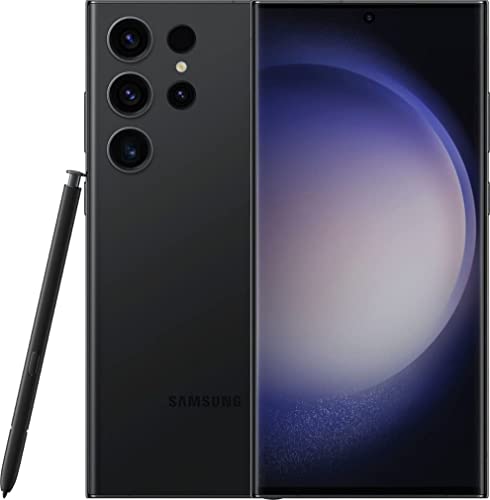
Scanning options like the Samsung Galaxy S23 against its larger sibling, the Samsung Galaxy S23 Ultra, demonstrates how secondary market valuation treats storage tiers far more flexibly than launch day price sheets.
Day-One Inspection Checklist: How to Test Your Refurbished Phone
When your refurbished phone arrives, treat the first forty-eight hours as an evaluation window. Run through a quick, methodical checklist to verify that the hardware matches the listing description and functions properly before your return window closes.
- Physical and Screen Inspection: Remove any temporary cases or screen protectors. Check the chassis for deep gouges or cracked glass that exceed the purchased condition grade. Power on the display to inspect for dead pixels, uneven backlighting, or ghost touch issues.
- Battery Diagnostics: Navigate to your battery settings (Settings > Battery on iOS, or Device Care > Battery on Android) to confirm capacity health sits at or above the guaranteed 80% threshold.
- Carrier Lock Verification: Insert your primary SIM card or activate your eSIM immediately. Place a test call, send a text message, and load a webpage over cellular data to ensure the device is genuinely factory unlocked and not tied to a previous carrier installment plan.
- Hardware and Sensor Checks: Test the front and rear cameras across all lenses, check autofocus, record a quick video to test the microphones, and verify that biometric sensors like Face ID or fingerprint readers function without error.
- Charging and Ports: Plug the phone into a high-wattage charger and a computer to confirm that the USB-C or Lightning port handles fast charging and data transfer securely without loose connections.
Is a Refurbished Flagship Right For You?
Choosing a refurbished flagship comes down to a simple value calculation. If you want top-tier camera hardware, premium build materials, and multi-year software support without paying an inflated launch price, buying refurbished is the smartest route available. For buyers who prefer basic communication tools, lower-tier new devices or budget models may suffice.