The Compact Flagship Dilemma
Finding a high-tier smartphone that fits comfortably in a pocket without sacrificing performance is harder than it used to be. Most modern flagships scale past the six-inch mark, pushing consumers toward oversized slabs. But if you look at the certified refurbished market, a distinct sweet spot opens up. Shoppers willing to skip the day-one hype cycle can pick up premium hardware from recent generations at a fraction of their original cost.
Even though these two devices launched a year apart in generational terms, they occupy nearly identical price brackets on Amazon Renewed today. For anyone refusing to pay four-figure launch MSRPs, this creates a direct head-to-head matchup between Apple's heavy-hitting pro lineup and Samsung's streamlined efficiency.
The Contenders: S23 vs. iPhone 14 Pro
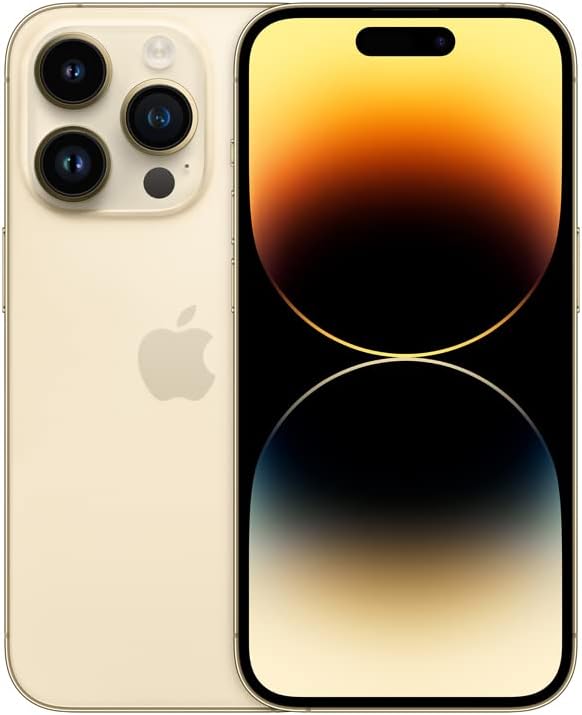
When the Samsung Galaxy S23 arrived with a $799.00 launch MSRP, it was praised for fixing the thermal and battery missteps of its predecessor. Meanwhile, the iPhone 14 Pro debuted at $999.00, bringing major hardware shifts like the Dynamic Island and a 48-megapixel main camera sensor.
Buying these devices certified refurbished changes the value proposition entirely. Opting for an 'Excellent' or 'Good' condition unit on the secondary market slashes those original figures significantly, especially when comparing the base 128GB tier to the roomier 256GB configuration.
Display and Daily Usability
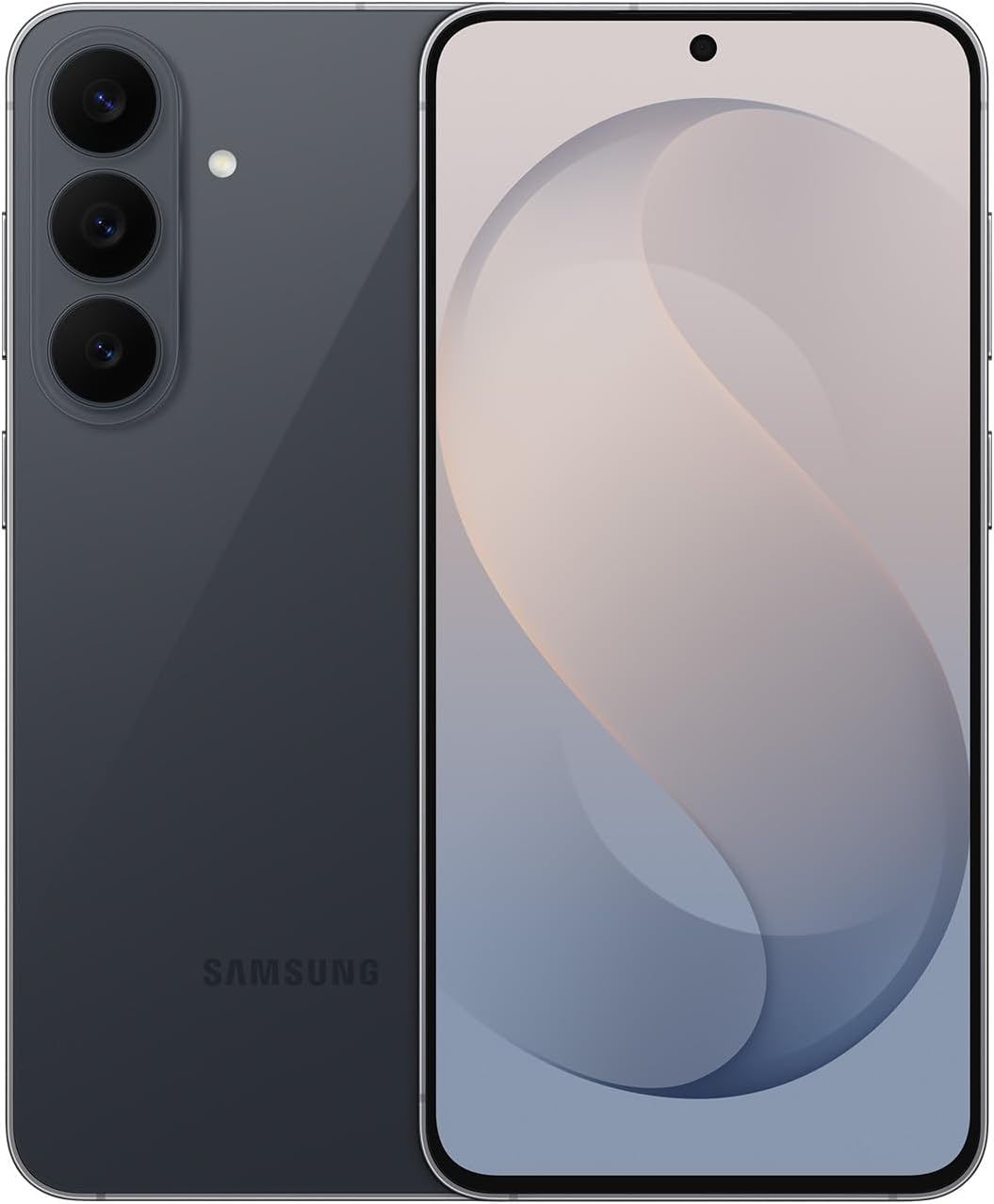
Placing these two handsets side by side reveals distinct philosophies in hardware design. The base Galaxy S23 treats users to a buttery-smooth 120Hz refresh rate—a feature Apple infamously withheld from the standard iPhone 14 models, reserving it exclusively for the Pro tier. Scrolling through feeds and multitasking feels fluid on the Samsung panel.
On the other hand, matching up against the iPhone 14 Pro means contending with Apple's interactive Dynamic Island cutout, a significantly higher peak outdoor brightness level, and a much heavier physical footprint. Apple builds its Pro models out of stainless steel and ceramic glass, which gives the phone a dense, premium heft in the hand. The Samsung leans in the opposite direction, favoring a lightweight aluminum frame that makes one-handed reach effortless.
Camera Versatility: Pro Lenses vs. Base Setup
Optics dictate how long a phone stays relevant in your pocket, and both handsets punch above their current refurbished price tags. The iPhone 14 Pro packs a triple-lens array featuring a dedicated 3x optical zoom telephoto lens, letting you pull distant subjects closer without losing detail.
The Galaxy S23 counters with its own versatile triple-camera layout, also featuring a 3x optical telephoto lens alongside a sharp ultra-wide and main sensor. While Samsung leans heavily into vibrant color science and aggressive AI processing, Apple sticks to a more natural, clinical rendering style with industry-leading video stabilization.
The Trade-offs: Stainless Steel Weight vs. Battery Anxiety
Every purchase involves compromises, and neither of these compact flagships is flawless. The iPhone 14 Pro carries noticeable bulk. That stainless steel band makes it feel considerably heavier than its screen size implies, which can lead to hand fatigue during extended reading or texting sessions.
The Galaxy S23 avoids the weight issue entirely, but its compact chassis leaves less room for a massive power source.
For readers evaluating wider upgrade cycles, insights from guides like Timing Your Next Phone Purchase: Why Last-Gen Flagships Win highlight how skipping the current generation lets you capture peak hardware efficiency without absorbing depreciation.
Final Verdict: Which one to buy?
Choosing between these two depends on what you prioritize in daily use.
Pick the iPhone 14 Pro if you are locked into the Apple ecosystem, want pro-grade video capture, prefer a brighter outdoor display, and care about long-term resale value.
Pick the Galaxy S23 if you want a featherlight device that vanishes into your pocket, demand a high-refresh-rate screen without buying an oversized plus-sized phone, and want a clean entry price on the secondhand market.